Switzerland is a country of precision, and that extends to its calendar.
If you arrive in a major city like Zurich or Geneva on a public holiday, you might find the bustling streets replaced by a serene, ghost-town quiet as shops shutter and locals head for the hills.
To make the most of your alpine adventure, understanding the rhythmic flow of the Swiss year is essential.
What Is Usually Closed
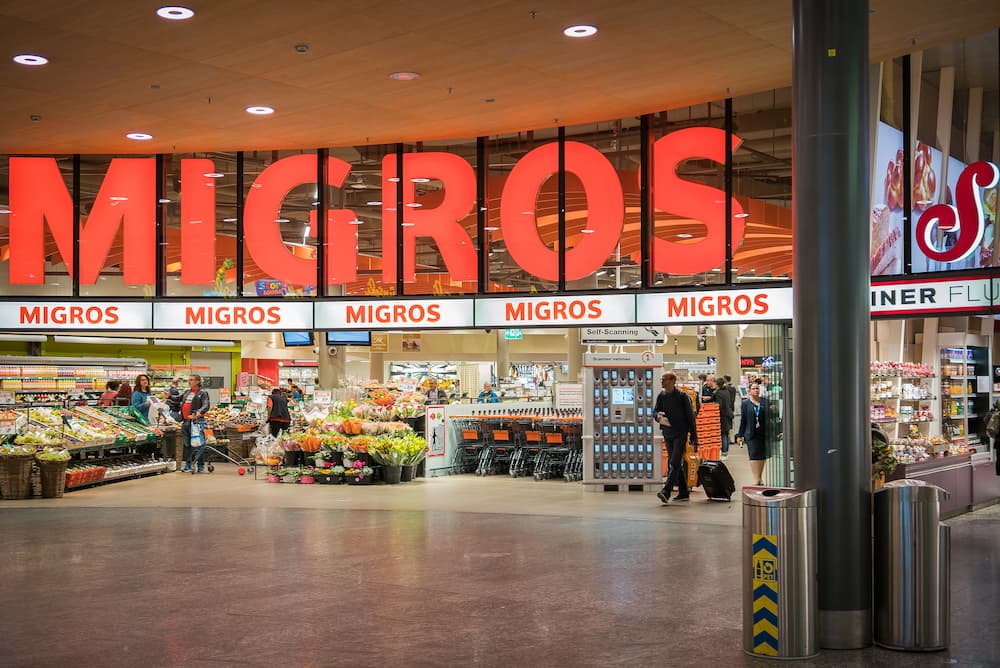
I get asked a lot “what is closed” during public holidays, so let’s cover that first.
- Most Shops – This means supermarkets and businesses, so be prepared to do your shopping, especially food shopping ahead of time (there are some exceptions in touristy towns and train stations/airports are alowed to open shops if they have any)
So what runs as usual, so the things you can reliably still do/access
- Public Transport & Mountain Transport – you can still do all your activities, train trips etc as usual. There are very rare changes to timetables (some local buses may stop earlier, but otherwise not much)
- Activities – you can of course go skiing, hiking and often local businesses servicing tourists will be open (ski equipment shops, mountain bike shops etc) especially in big resorst. BUT check opening times to be sure.
Public Holidays to Watch
Public holidays in Switzerland are a unique blend of national unity and fierce regional identity. While the entire country pauses together only once a year, individual cantons have their own sacred dates that can catch an unsuspecting traveler off guard.
For 2026
While August 1st is the only holiday mandated by the federal government, these are the key dates where you will find widespread closures across the country:
- New Year’s Day: January 1
- Berchtold’s Day: January 2 (Celebrated in most German speaking cantons and Vaud)
- Good Friday: April 3 (Observed in almost all cantons; a major day of rest)
- Easter Monday: April 6 (Most shops and businesses remain closed)
- Labour Day: May 1 (Significant closures in Zurich, Basel, and Ticino)
- Ascension Day: May 14 (Nationwide holiday; locals often take the Friday as a “bridge day”)
- Whit Monday: May 25 (Widespread closures in the majority of cantons)
- Corpus Christi: June 4 (Primarily observed in Catholic cantons like Lucerne and Valais)
- Swiss National Day: August 1 (The official federal holiday with nationwide celebrations)
- Assumption Day: August 15 (Observed in Catholic regions)
- All Saints’ Day: November 1 (Observed in Catholic regions)
- Christmas Day: December 25
- St. Stephen’s Day / Boxing Day: December 26 (Observed in most cantons except Geneva and Vaud)
Note: Although most of these are the same every year, Easter dates will vary.
School Holidays: When the Mountains Get Busy

Want To Save This For Later?
If you prefer quiet trails and short ski-lift lines, you must keep an eye on the school calendar. When Swiss schools go on break, the internal migration to the mountains is significant. Because each canton sets its own dates, these are the general “windows” to keep in mind for 2026:
- Sports Break (Sportferien): Late January to early March. Most cantons take two weeks during this window. This is the absolute peak for ski resorts.
- Spring Break: Early to late April. Usually spanning two weeks, often centered around the Easter period (April 3 to April 26).
- Summer Holidays: Early July to mid August. Most cantons break for five to six weeks (roughly July 4 to August 16).
- Autumn Break: Late September to late October. A two-week period that often coincides with the “Alpabzug” (cattle descent) festivals.
- Christmas Break: December 21, 2026, to early January 2027.
Peak Seasons: Summer Sun vs. Winter Snow

Switzerland has two distinct “High Seasons,” and the country’s experience shifts dramatically between them.
Winter Peak: December to March
The peak of the peak occurs between Christmas and New Year, and again during the February school breaks.
Prices for accommodations in places like Zermatt and St. Moritz will be at their highest. If you aren’t a skier, consider visiting in January when the initial holiday rush has faded but the snow is still pristine.

Summer Peak: July and August
When the snow melts, the hikers arrive. July and August offer the best weather for high-altitude trekking and swimming in the crystal-clear lakes.
This is also the season for world-class festivals.
Note that popular mountain excursions like the Jungfraujoch can get very crowded; booking your rail tickets weeks in advance is highly recommended.
The Shoulder Season Advantage
For those seeking value and tranquility, June and September are the “sweet spots.” In June, the alpine wildflowers are in bloom; in September, the air is crisp, the skies are clear, and the summer crowds have returned to school and work.
For MORE INFORMATION on the best trim to travel read this post.