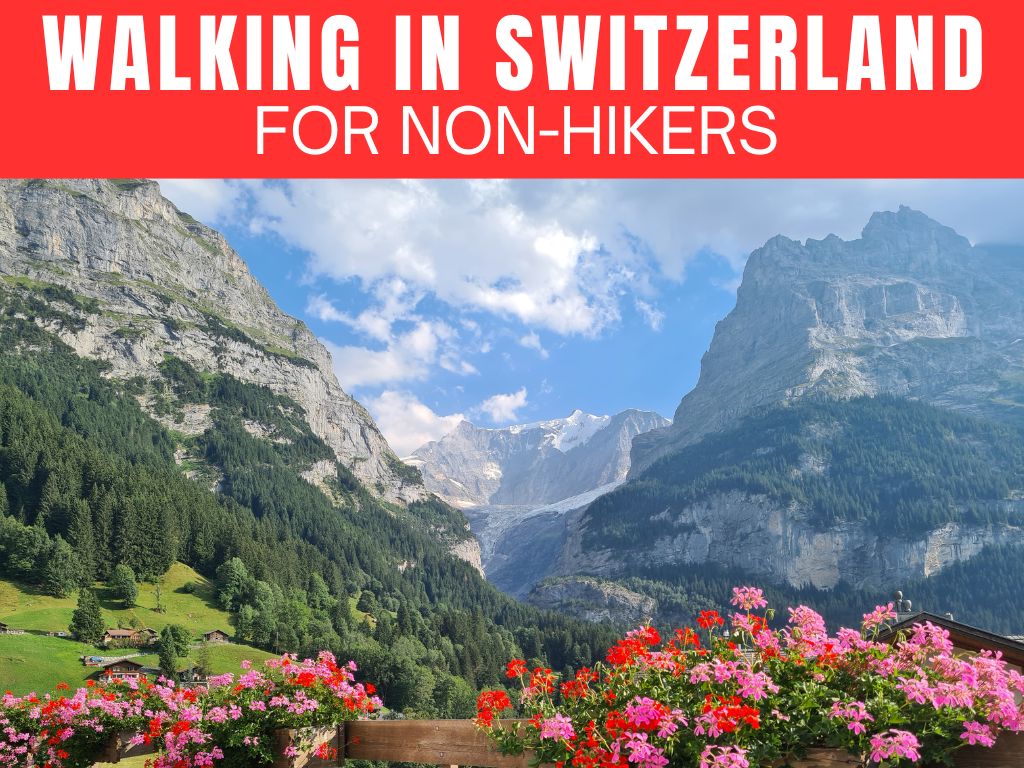
When imagining Switzerland and your mind probably goes straight to jaw-dropping alpine peaks, pristine lakes, and… a hyper-fit Swiss mountaineer scaling a vertical cliff face while eating a protein bar.
If that last image makes your knees ache, take a deep breath.
You do not need to be an elite athlete to fall head-over-heels in love with the Swiss Alps.
The Swiss have turned high-altitude laziness into an art form.

Thanks to a mind-blowing network of mountain trains, cable cars, and perfectly paved paths, you can get face-to-face with the world’s most iconic peaks without ever breaking a sweat.
If your idea of a perfect mountain holiday involves more panoramic photography and fondue than grueling elevation gains, this guide to navigating easy hikes in Lucerne, Interlaken, and Zermatt is for you.
Welcome to Switzerland: zero (or very little) sweat required.
Cheat Codes: How to Reduce Stress & Avoid Tough Hikes
There are lots of useful tips and tricks when it comes to walking in the Swiss Alps. Many of them I have learned over the years of pummeling my poor legs with hundreds of hikes throughout the Alps!
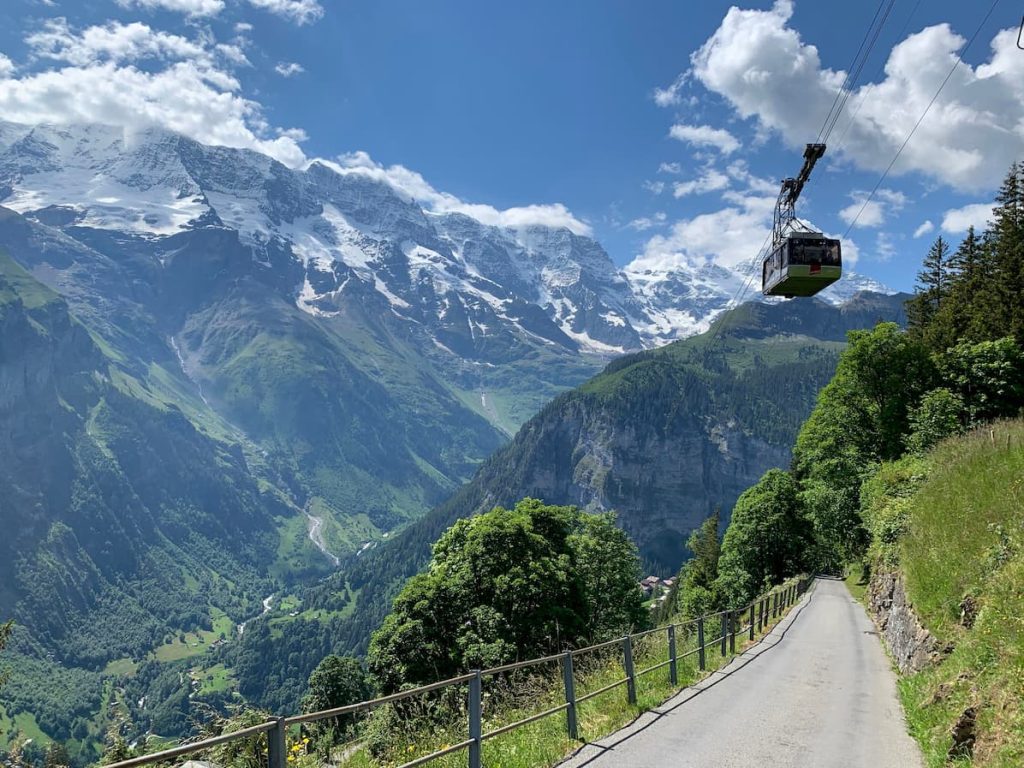
- The Downhill Hack: Never walk uphill if you don’t have to. Switzerland’s network of trains, funiculars, and cable cars means you can ride to the top of almost any peak and enjoy a gentle, gravity-assisted stroll down.
- Never Walk Downhill (with knee issues): If you have knee issues, then avoid downhill trails like the walk to Gimmelwald. Or use poles, see below.
- The Power of Poles: Don’t be self-conscious about using trekking poles. They aren’t just for mountaineers; they drastically reduce the impact on your knees during downhill walks and offer stability on loose gravel. I have had multiple tibia and knee surgeries and use them all the time. They are also insanely common here, so you won’t be alone :>
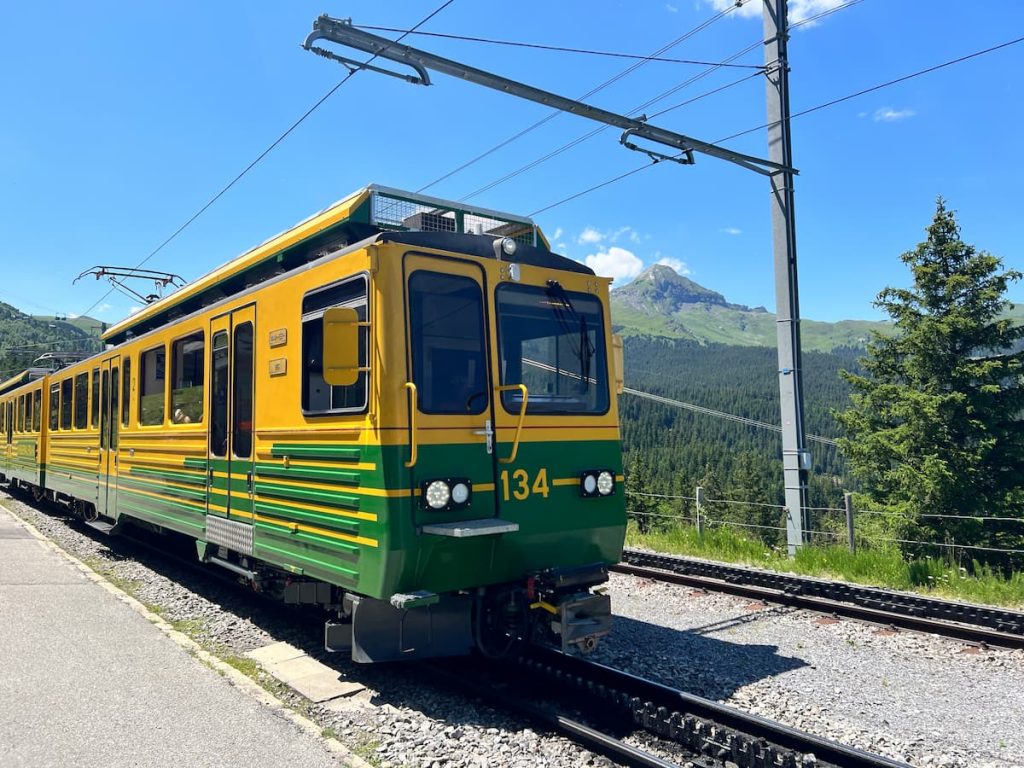
- The Public Transport “Parachute”: Choose trails that run alongside mountain train tracks or have mid-way cable car stations. If your feet start hurting, you can simply hop on a train and head back.
- Use the Live Cams: Check the mountain webcams before leaving your hotel. If a summit is completely socked in with fog, save your ticket money and enjoy a flat lakeside walk instead.
- 👉👉Learn more about this trick here
Epic Views with Minimal Effort: Easy Walks For All!
I know not everyone is as fit as the Swiss and hikes up mountains like a mountain goat.
So I have prepared a quick list of great options from each main area most of you visit – Lucerne, Interlaken and Zermatt.
🏔️ Lucerne Region: Lakeside Promenades and Gentle Slopes

- Rigi Kulm to Rigi Kaltbad: Take Europe’s oldest cogwheel train to the top of Mount Rigi. From the summit, follow the broad, fully paved downhill path to Kaltbad. It offers sweeping panoramic views of Lake Lucerne with virtually zero uphill struggle. Plus, you can have lunch at Kaltbad’s many restaurants, and also pop into the thermal baths for a soak afterward! (And for Swiss Travel Pass holders, Rigi is free!)
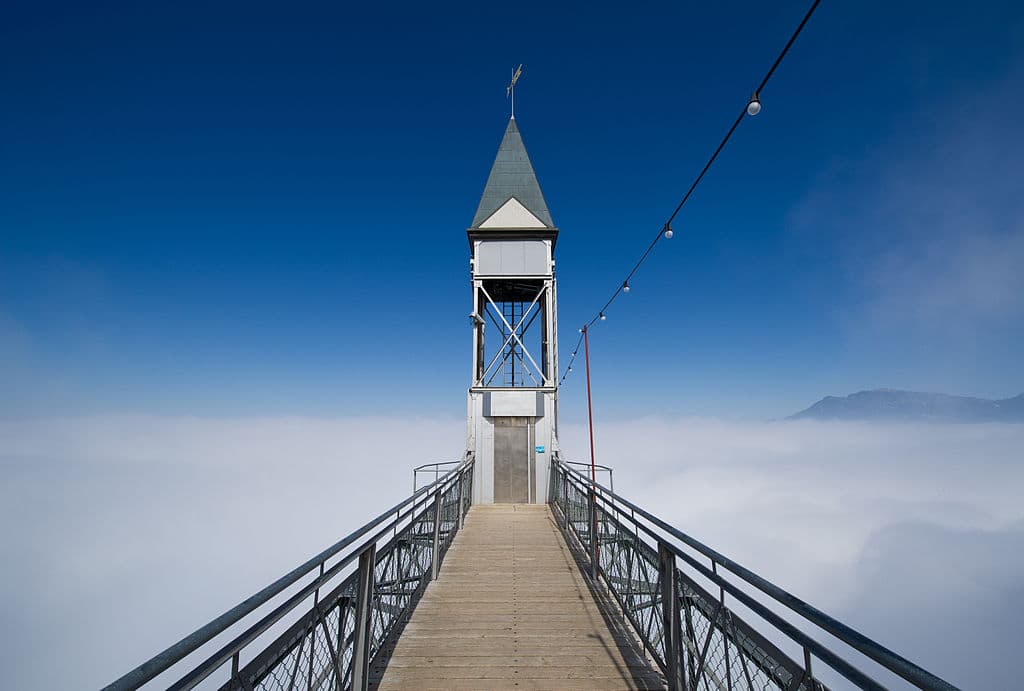
- The Bürgenstock Felsenweg (Rock Path): A flat, cliffside path cut directly into the rock face. It’s wide and highly secure, leading to the spectacular Hammetschwand Lift (the highest outdoor glass elevator in Europe).
- NOTE: this path is often closed due to rock falls, so check the status before you go. (you can see the status on the map)
👉👉 MORE LUCERNE TIPS & HIKES IN MY GUIDE
🏔️ Interlaken & Jungfrau Region: Valley Floors and “Easy Walks”

- Männlichen to Kleine Scheidegg (The Panorama Trail): Locally nicknamed “The Grannies’ Walk” because it is beautifully flat and well-maintained. It gives you face-to-face views of the legendary Eiger, Mönch, and Jungfrau peaks with almost no physical exertion.

- Lauterbrunnen Valley Floor: A completely flat, paved stroll from the Lauterbrunnen train station toward Stechelberg. You’ll walk through a deep green valley flanked by towering cliffs and cascading waterfalls. You can also stop (after crossing the river) at Trümmelbach Falls & Staubbach Falls along the way.
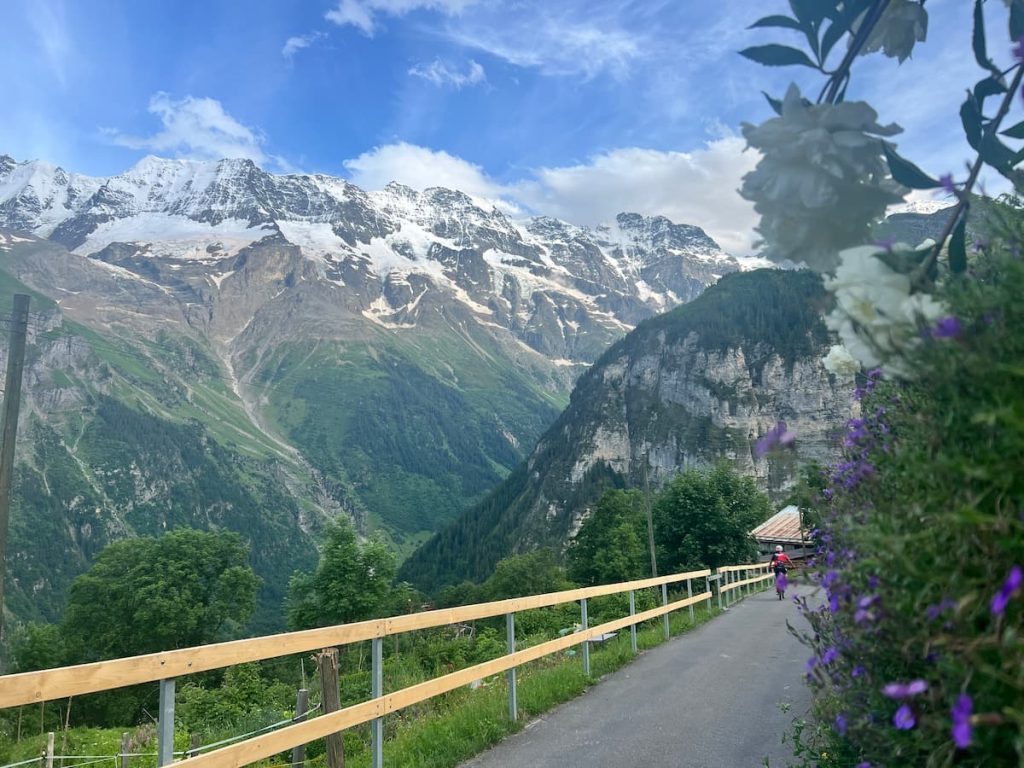
- Mürren to Gimmelwald Walk: An easy downhill walk that takes around 45 minutes with stunning high mountain views all the way. And it takes you straight to Mürren’s quieter cousin – Gimmelwald. (
Want To Save This For Later?
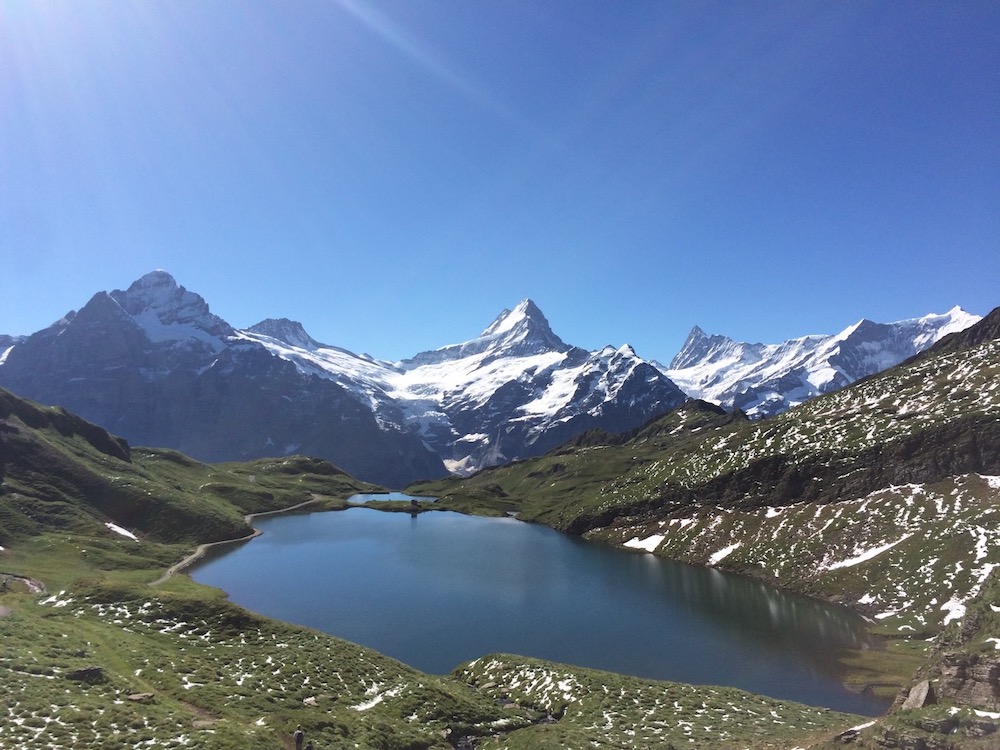
- Bachalpsee Hike: Perhaps the most difficult one on this list, as it is about 2 hours there and back, and there is some slight uphill along the way. But still, doable for most of average fitness (especially with poles, more on that below). It also combines well with the First Cliff Walk and activities, which you should do first (no pun intended).
👉👉 SEE SOME OTHER GREAT EASY HIKES IN INTERLAKEN 🥾
👉👉 5 AMAZING DAYS ALL PLANNED OUT IN MY 5-DAY INTERLAKEN GUIDE
🏔️ Zermatt Region: High-Altitude Glances at the Matterhorn
- Gornergrat 360° Loop: Ride the historic Gornergrat cogwheel train up to 3,089 meters. Right outside the visitor center is a tiny, 500-meter-long paved loop that offers unmatched wraparound views of the Matterhorn and surrounding glaciers. (More info here)
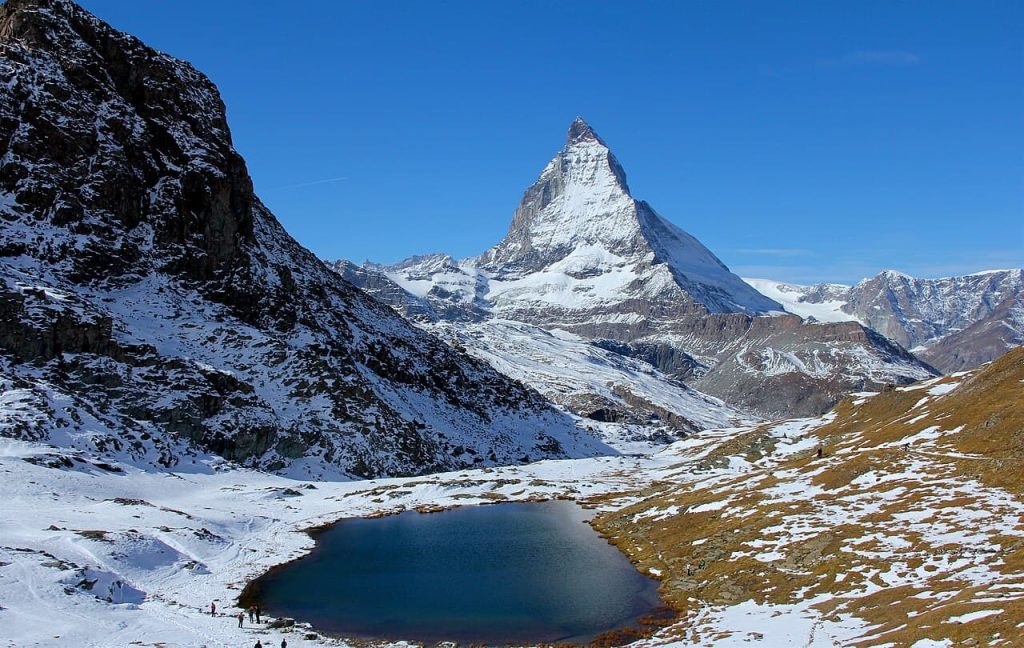
- Rotenboden to Riffelsee: Just one train stop down from Gornergrat. It’s a very short, 10-minute walk down to the famous alpine lake where you can capture the postcard-perfect reflection of the Matterhorn in the water. Or, you can walk down from Gornergrat if you have more energy and good knees!
👉👉 SEE SOME OTHER GREAT HIKES IN ZERMATT 🥾
The “Non-Hiker” Packing List: Gear for Comfort, Not Conquering
You don’t need to look like you’re scaling Everest, but standard city wear won’t always keep you comfortable at high altitudes.
🥾 Footwear

- Skip the Heavy Boots: Rigid leather hiking boots are overkill and will just give you blisters on paved or gravel paths.
- Choose Trail Runners or Sturdy Walking Shoes: Look for walking shoes with deep rubber lugs (like Vibram soles) to give you traction on loose gravel. Water-resistant options are a major plus.
👉👉 SEE SOME GREAT SHOE OPTIONS HERE 🥾
🧥 Clothing (The Onion Principle)

- Lightweight Layers: It can be balmy in Interlaken but freezing at the top of a mountain peak. Pack a t-shirt, a fleece layer, and a windproof/waterproof jacket.
- 👉👉 SEE JACKET AND FLEECE OPTIONS
- Leave the Jeans Behind: Even on an easy walk, denim traps moisture and restricts movement. Opt for comfortable athleisure or lightweight travel pants instead.
🎒 Essential Accessories
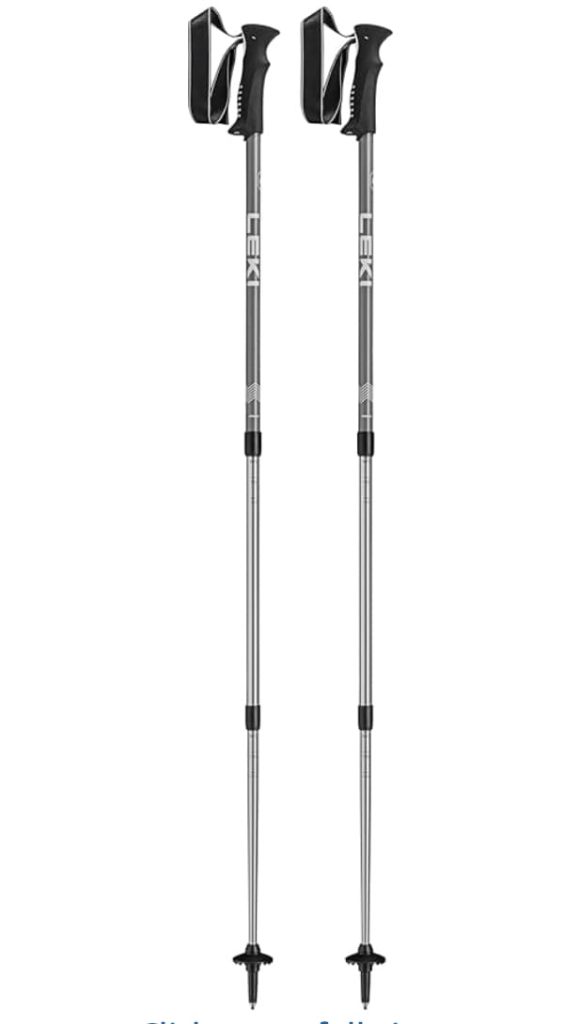
- Collapsible Trekking Poles: Look for lightweight aluminum or carbon fiber poles that can easily slide into your luggage or daypack when you are riding the cable cars.
- Polarized Sunglasses & High SPF: At high altitudes, the alpine sun is incredibly fierce—especially if there is snow nearby.
- A Small Daypack (15-20L): Just large enough to hold your layers, a water bottle, and your mountain transit passes.
- 👇👇👇 SEE PACK OPTIONS ON AMAZON 👇👇👇
- BEST PROPER BACKPACK
- LIGHT STUFFABLE BACKPACK (GREAT IF YOU HAVE NO SPACE IN YOUR CASE)
- CHEAPER & MORE COLORFUL
- 👇👇👇 SEE PACK OPTIONS ON AMAZON 👇👇👇
👉👉 GRAB MY COMPLETE 📋 PACKING LIST HERE
Walks vs. Hikes: The Swiss Definition

In Switzerland, the line between a “walk” and a “hike” is dictated by the country’s meticulous trail-marking system. Understanding this prevents you from accidentally wandering onto a technical climbing route.
📌 Pro Tip: Swiss trail signs measure distance in hours and minutes, not kilometers. Keep in mind that these times are calculated based on the brisk walking pace of an average Swiss local, so be sure to add a 20–30% time buffer for a leisurely stroll!
| Signpost Color | Trail Type | What to Expect | Suitability for Non-Hikers |
| Solid Yellow | Wanderweg (Walking Path) | Well-maintained, wide paths. Often paved or smooth gravel. No special gear required. | 10/10 – Pure relaxation. |
| White-Red-White | Bergwanderweg (Mountain Trail) | Steeper terrain, narrow paths, exposed roots, and stairs. Requires sure-footedness. | Caution – Only if you feel agile. |
| White-Blue-White | Alpinwanderweg (Alpine Route) | Exposed cliffs, scree fields, ropes, and ladders. | 0/10 – Avoid completely! |
Switzerland is designed for everyone to enjoy, regardless of fitness level. Lean into the luxury of their mountain infrastructure, take it slow, and don’t feel guilty about choosing the patio café over the mountain peak.
Which of these three regions (Lucerne, Interlaken, or Zermatt) do you think your audience will be most interested in, so we can expand on the specific restaurant or hotel recommendations for that section?